
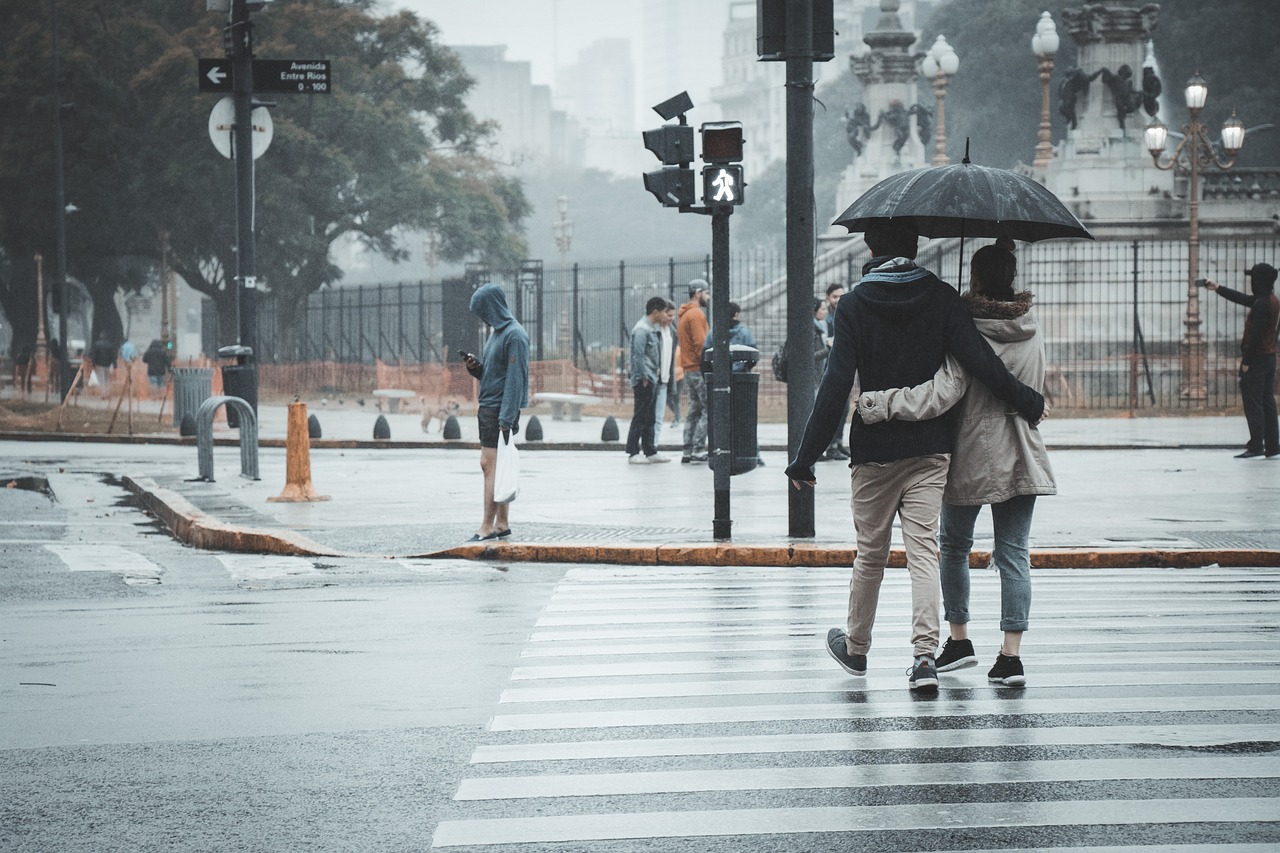

At the start of every year, we talk about resolutions. We promise ourselves to exercise more, slow down, or finally achieve a specific goal.
But for some reason, we rarely talk about cities taking resolutions. So I decided to make one for them.
My wish for cities in 2026 is simple: I want walking to feel easier, calmer, and more pleasant by default.
It’s the one thing that benefits people of all ages, because everyone walks. We walk to the car, to the bus, from the metro, and into a store. Walking is how we reach our destination.
In fact, it is the one part of city life nobody can opt out of. That makes walkability a system requirement, not a lifestyle choice. Sadly, walking is often forgotten by urban planners. It often seems like an afterthought, or something that is done at the cheapest price.
What improvements are needed to make walking a breeze?
- Reduce the noise level when we walk on main streets. A border of trees would do the job. But the solution is context-driven. There is no one-size-fits-all solution.
- Shorter waits at crossroads would tell pedestrians that we value their time.
- Wider sidewalks, where walking side by side feels natural.
- Not having to worry about being splashed by cars or buses on rainy days.
- If a city can splurge a bit more, add some greenery or nice things to look at.
I make walkability my priority because when walking feels pleasant, it no longer feels like a chore. People walk more without thinking about it. Casual conversations happen more often. People venture further away. A store window can catch their eye and enter to shop. As a result, both people and cities thrive.
That is my wish for cities in 2026. What about yours?
——————
This article was first published in More Than Streets, my LinkedIn newsletter where the conversation happens.
If you’d like to receive the next issue — and join the discussion — do not forget to subscribe on LinkedIn.
